Art For Social And Political Change
How Art Reflects Social and Political Change
A Mirror, A Weapon, A Voice for the Voiceless
Art has always been more than beauty. From cave paintings to street murals, it has documented humanity’s triumphs, tragedies, revolutions, and resilience. Across centuries and continents, artists have responded to the world around them—challenging the status quo, amplifying marginalized voices, and shaping public opinion.
In this blog, we explore how art reflects and influences social and political change throughout history and in the modern world.

🖼️ Art as a Mirror of Society
Art captures the zeitgeist—the spirit of the times. Whether it’s a protest painting, a powerful photograph, or performance art, it reflects societal values, injustices, hopes, and fears.
📌 Example: The Renaissance celebrated human potential during a period of intellectual and cultural rebirth, while Baroque art often reinforced religious and royal power.
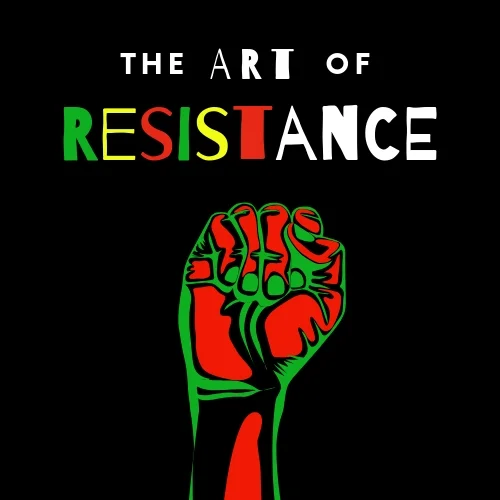
✊ Art as Resistance
Artists have long used their work as a tool of resistance and protest. When free speech is limited, art becomes a powerful language of dissent.
-
Pablo Picasso's "Guernica" (1937) – A response to the bombing of a Spanish town during the Spanish Civil War, this painting remains one of the most iconic anti-war artworks ever made.
-
Diego Rivera’s murals – Celebrated Mexican identity and the working class, often confronting colonial and capitalist narratives.
-
Ai Weiwei – The Chinese artist and activist uses installations and sculpture to critique censorship, surveillance, and human rights abuses.
Art doesn’t just reflect the moment—it challenges it.
🌍 Social Movements and Street Art
Modern movements like Black Lives Matter, feminism, and climate activism have sparked a wave of public art—graffiti, murals, performance pieces—that take activism from the courtroom to the street.
-
Guerrilla Girls – A feminist art collective using humor, facts, and bold visuals to expose sexism and racism in the art world.
-
Banksy – A mysterious street artist known for politically charged, ironic artwork questioning war, capitalism, and surveillance.
🧬 Cultural Shifts Through Creative Expression
Art reflects not only political turbulence but also social evolution—like gender identity, racial equity, and mental health awareness.
-
Frida Kahlo painted raw emotion, pain, and identity, becoming an icon for feminism and LGBTQ+ rights.
-
Hip-hop and spoken word poetry emerged as powerful forms of resistance and empowerment in marginalized communities.
-
Film and digital media now challenge stereotypes and give platform to underrepresented narratives.
📌 As society becomes more diverse, so does its artistic voice.
🕊️ Art as Healing and Rebuilding
In post-conflict societies, art plays a role in rebuilding trust, memorializing loss, and starting conversations.
-
In South Africa, art was central to post-apartheid healing and education.
-
After tragedies like 9/11, public memorials and art installations helped communities grieve and rebuild.
-
Refugee and migrant communities often use art to process trauma and share their stories with the world.
📷 Photography as a Political Tool
The invention of the camera turned art into a witness. Iconic photographs have swayed public opinion, fueled outrage, and made distant suffering feel personal.
-
The Vietnam War was the first televised war, and disturbing imagery played a major role in shifting American public opinion.
-
Dorothea Lange’s “Migrant Mother” captured the Great Depression’s human cost, shaping public support for aid programs.
-
Today, Instagram activism allows global visibility of local injustice, giving everyday people the power to document truth.
🎭 Final Thoughts: The Artist as Witness and Catalyst
Art doesn’t exist in a vacuum. It is shaped by, and in turn shapes, the social and political context around it. Whether subtle or shocking, personal or public, art gives voice to what words sometimes cannot express.
In every era, in every uprising, and in every cultural shift—you’ll find the hand of an artist sketching, painting, sculpting, or filming history as it happens.
Comments
Post a Comment